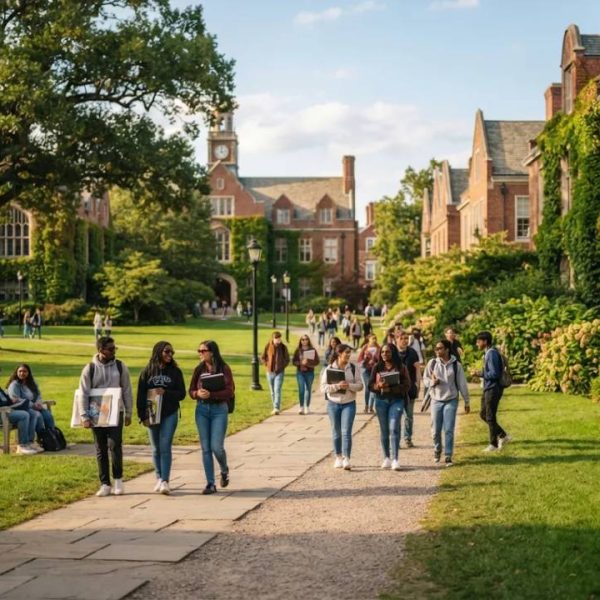
Choosing what to study after school, or returning to education later in life, is one of the biggest decisions a person makes. Colleges, universities, vocational schools and online programs all promise opportunity, but the best choice depends on goals, budget, time and learning style. A careful, step-by-step inquiry saves money and prevents regret, and it begins long before the application deadline.
Clarify Your Goals First
Before browsing programs, write down what you want to achieve. Some students want a specific profession, others want to explore subjects, and many want better pay or a change of career. Your goal determines whether you need a degree, a diploma, a certificate or a short course.
Talk to people who work in the field you are considering. Ask what qualifications they hold and what they would do differently if they began again.
Understand the Types of Postsecondary Education
Universities award bachelor, master and doctoral degrees with a focus on theory and research. Colleges and institutes often provide applied diplomas, technical training and transfer programs. Apprenticeships combine paid work with study, while short certificates upgrade a specific skill.
Match the type of institution to your goal rather than to its reputation alone, because a famous name matters less than a program that leads to the work you want.
Research Programs Carefully
Read the course list, learning outcomes, assessment methods and graduate destinations. Check whether the program is accredited and whether employers in your field recognize it. Look at class sizes, teaching staff and placement opportunities.
Student reviews and alumni stories show what daily life is like, but remember that experiences vary and that individual opinions are not statistics.
Admission Requirements and Deadlines
Each program lists required grades, subjects, language tests and documents. Some require portfolios, interviews or entrance exams. Deadlines differ by country and institution, and early applications may have better chances for scholarships and housing.
Create a calendar with every date and a checklist for each application. Services such as UCAS show how a central application system works in the United Kingdom, and many countries have similar portals.
Understanding the Real Cost
Tuition is only one part of the budget. Add housing, food, transport, books, equipment, insurance and fees. Compare costs between institutions and between cities.
Look for scholarships, grants, work-study options and employer support. Ask the financial aid office what is available and when you must apply.
Financing and Avoiding Debt
Understand the terms of any loan, including interest rates, repayment periods and what happens if you pause your studies. Borrow only what you need and keep a record of what you owe.
Part-time work, cooperative programs and scholarships reduce the amount you need to borrow.
Studying Abroad and Recognition of Qualifications
Studying in another country broadens horizons but adds paperwork. You may need to prove language skills, translate transcripts and have documents certified. Credit transfer rules vary, so ask each institution how your previous studies will be recognized.
Applicants from Spain, Italy and Latin America often use english to italian translation services for diplomas and grade reports, while those moving to Canada can read our notes on translating documents for Quebec programs to understand typical document requirements.
Online and Flexible Learning
Online degrees and short courses suit people who work or care for family. Check that the provider is accredited, that teaching includes real interaction and that support services are available. Self-discipline is important.
Hybrid models combine online lessons with campus sessions and are a good compromise for many learners.
Support Services for Students
Universities offer academic advising, counseling, disability support, careers services, libraries and tutoring. Ask about these before you apply and use them early.
Students who seek help sooner tend to do better, and services are often free.
Choosing a Location
Consider cost of living, climate, language, transport and job opportunities. A smaller town may offer lower costs and more personal attention, while a large city provides more internships and networking.
Visit campuses if you can, or attend virtual open days.
Preparing Your Application
Write a personal statement that explains who you are, why you chose the subject and what you hope to do. Be specific, honest and concise. Ask teachers or employers for references early.
Proofread everything, and ask someone you trust to read it. Small errors give a poor impression.
Comparing Offers and Making a Decision
If you receive several offers, compare programs, costs, location, support and your gut feeling. Create a simple table with scores for what matters most.
Contact current students and ask honest questions. Then choose the option that supports your goals.
Mature Students and Career Changers
Adults returning to study bring experience and motivation. Many institutions recognize prior learning and offer part-time schedules. Plan for time and family commitments.
Short courses can test a new field before you commit to a full degree.
Building Skills Beyond the Classroom
Internships, volunteering, clubs and projects build experience and networks. Employers value practical skills alongside qualifications.
Start a portfolio early and keep records of achievements.
Common Mistakes to Avoid
Typical mistakes include choosing by prestige alone, ignoring costs, missing deadlines and underestimating workload. Another is not asking for help.
Plan early and talk to advisers.
Final Thoughts
A good educational choice combines clear goals, careful research and honest budgeting. Take your time, ask questions and use the support that is available.
The effort you put into inquiry now will pay off in the years ahead.
Choosing a Subject You Can Sustain
Interest keeps students going when coursework becomes difficult. Look at the modules you would study, imagine reading the textbooks and think about whether the subject connects to work you would be proud of. Talk to current students and recent graduates about the real workload.
If you are undecided, consider a broad first year, an interdisciplinary program or a foundation course that lets you try several fields before specializing.
Open Days, Campus Tours and Virtual Visits
Visiting a campus gives you a feel for the people, facilities and neighborhood. Prepare a list of questions about teaching, class sizes, placements, accommodation and student support. Virtual tours and webinars help when travel is difficult.
Take notes and photos, and compare your impressions soon afterward, since institutions start to blur together after several visits.
Understanding Rankings Critically
University rankings can help you build a shortlist, but they measure different things, such as research output, reputation and student satisfaction. A high rank overall does not guarantee that a particular course is strong. Check subject-level information and graduate outcomes.
Use rankings as one source among many, together with course content, location, cost and your own priorities.
Preparing for Your First Semester
Once you accept an offer, organize accommodation, funding, travel and insurance. Read the course handbook, buy essential materials and connect with future classmates through official groups. Practice study habits such as planning weekly schedules and note taking.
Arrive early for orientation, explore campus services and introduce yourself to advisers. A confident start makes the first months much easier.